Located in the heart of Kyushu, Kumamoto is a captivating city where rich history and vibrant modernity blend beautifully. For international travelers touring Kyushu, Kumamoto is an absolute highlight that should be on every itinerary, offering magnificent nature, historic landmarks, and a unique food culture.
However, to make your “once-in-a-lifetime” trip perfect, it’s crucial to know the realistic downsides and precautions beforehand. Here are three “Honest Truths” every traveler should know before visiting Kumamoto.
⚠️ 3 Things to Know Before You Go (The Honest Truths)
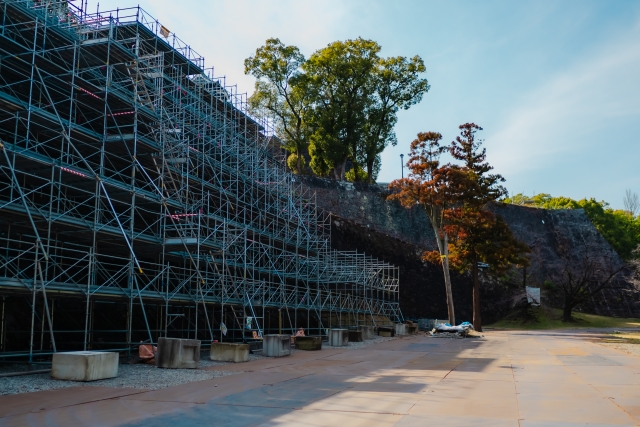
- The Scars of the Earthquake & the Ongoing Restoration of Kumamoto Castle: Kumamoto was hit by a major earthquake in 2016, and the city’s symbol, Kumamoto Castle, is still undergoing reconstruction. While it’s not in a “complete” state, don’t let that stop you! The interior of the Main Keep is fully open to the public, featuring modern exhibits and full accessibility with elevators.

- The IC Card Trap (and the Solution): While IC cards like Suica and Pasmo are convenient in Tokyo or Osaka, they cannot be used on Kumamoto’s local buses. They do work on the city trams, but if you plan to take a bus, be careful. The good news? Contactless credit card payments (Visa, Mastercard, etc.) have been introduced, so you can ride smoothly if you have a card with the touch-payment symbol.


- The Crow Population: The center of Kumamoto City has a very large crow population. Some international guests have complained about the noise from as early as 3:30 AM and droppings on the streets. It’s something to keep in mind when choosing your hotel location.
Despite these facts, Kumamoto remains an incredible city worth visiting! Here are the top attractions and must-try local dishes.
🏯 Must-Visit Spots
From traditional Japanese beauty to a dynamic volcano and a world-famous mascot, Kumamoto has it all.
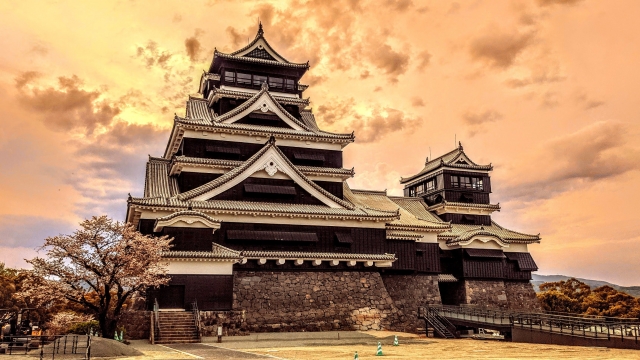
- Kumamoto Castle: One of Japan’s most impressive castles. With its stunning stone walls and complex wooden architecture, it’s the perfect place to immerse yourself in Samurai culture.
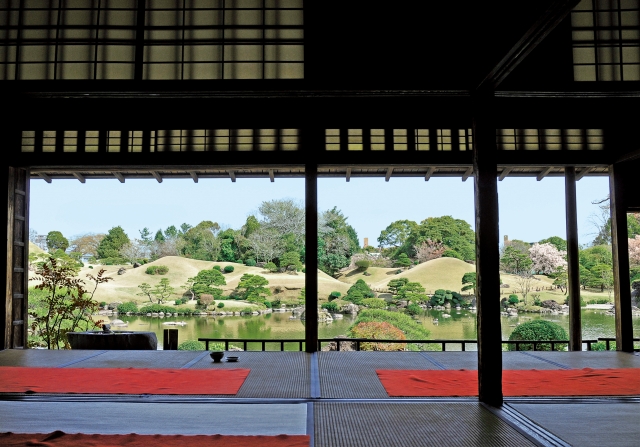
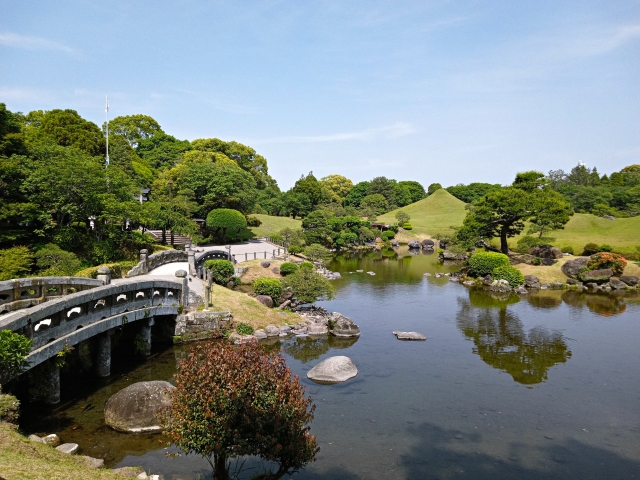
- Suizenji Jojuen Garden: A beautifully manicured traditional Japanese garden. With its picturesque pond and rolling greenery, it’s a peaceful retreat perfect for a leisurely stroll.
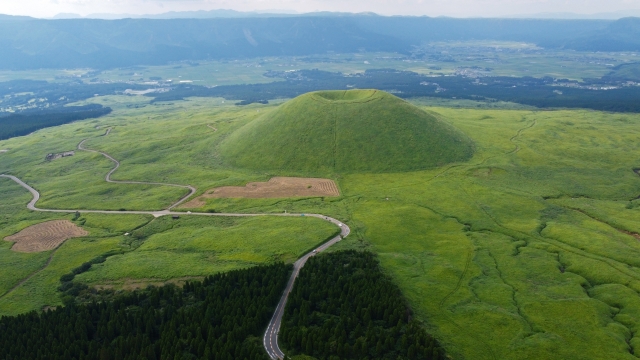
- Mount Aso & Nature: Venture a bit further to find Aso-Kuju National Park, home to Mount Aso—one of the world’s largest volcanic calderas. The vast landscapes and hiking opportunities are breathtaking.

- Meeting Kumamon: Kumamoto is the hometown of the world-famous mascot, Kumamon. You’ll find his face all over the city, and you can even meet him in person at “Kumamon Square”!
🍜 Must-Try Local Foods
Don’t leave Kumamoto without tasting these unique local specialties.
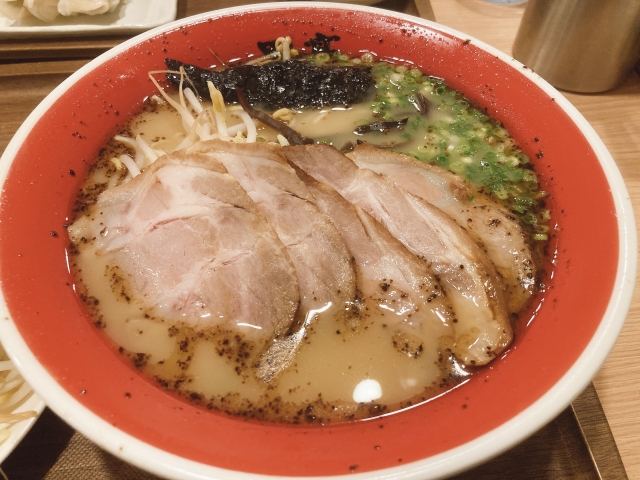
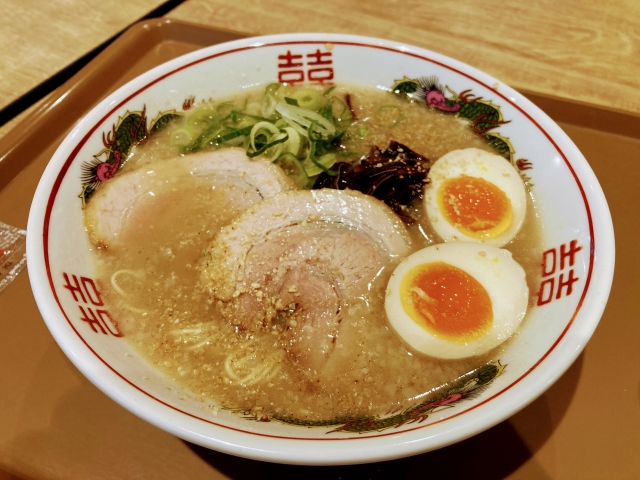
- Kumamoto Ramen: Try the local ramen at famous spots like Kokutei or Keika Ramen. The rich, flavorful broth with roasted garlic oil (Mayu) is unforgettable.
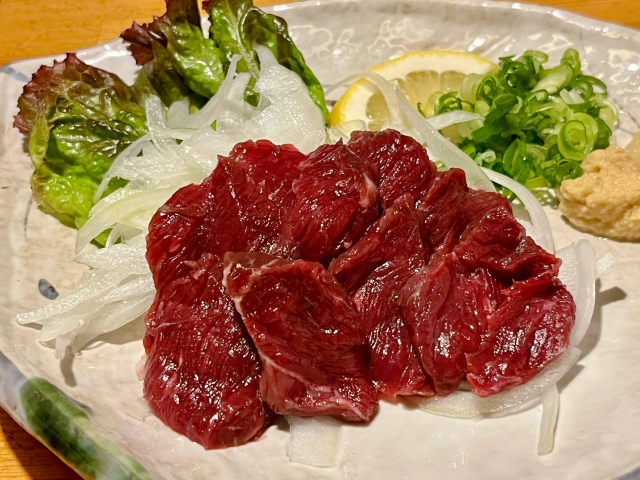
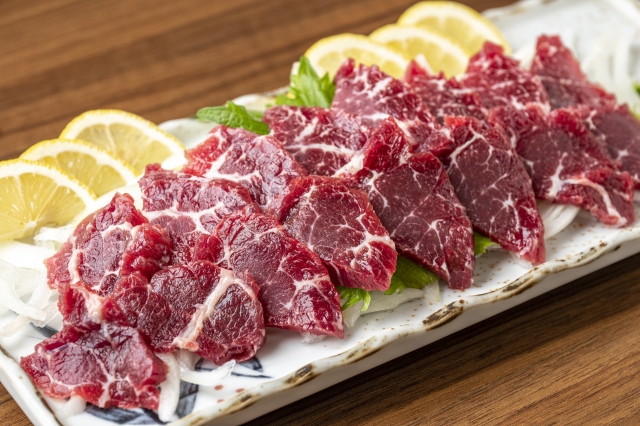
- Basashi (Raw Horse Meat): A signature Kumamoto delicacy. These thin slices of horse meat are served raw and melt in your mouth like high-quality sashimi.
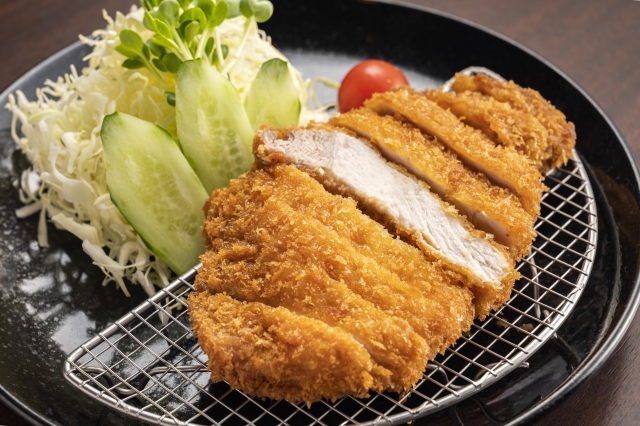
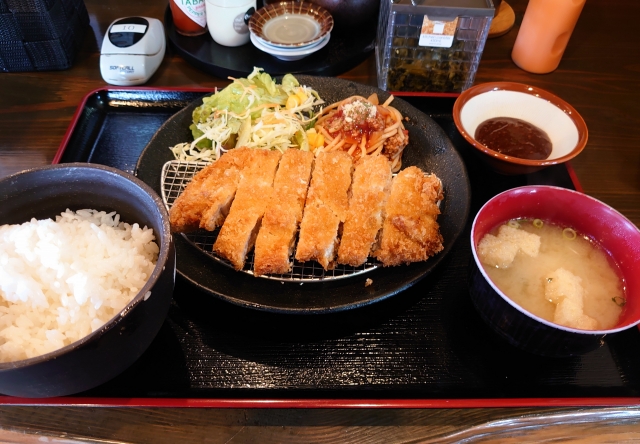
- Tonkatsu (Fried Pork Cutlet): The crispy, golden-brown tonkatsu at Katsuretsu Tei is highly praised by travelers as a “must-try” meal.
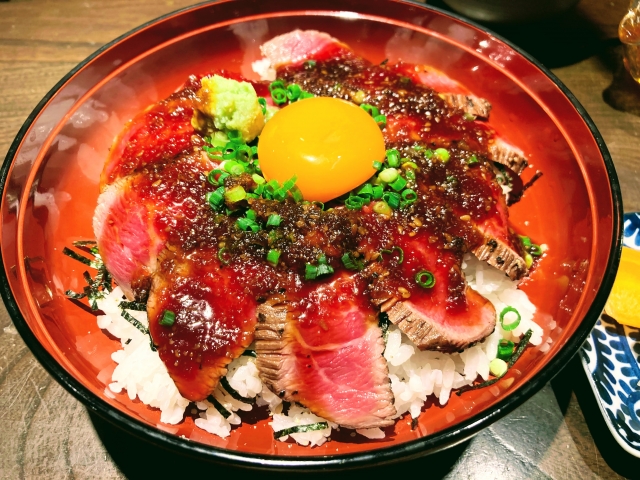
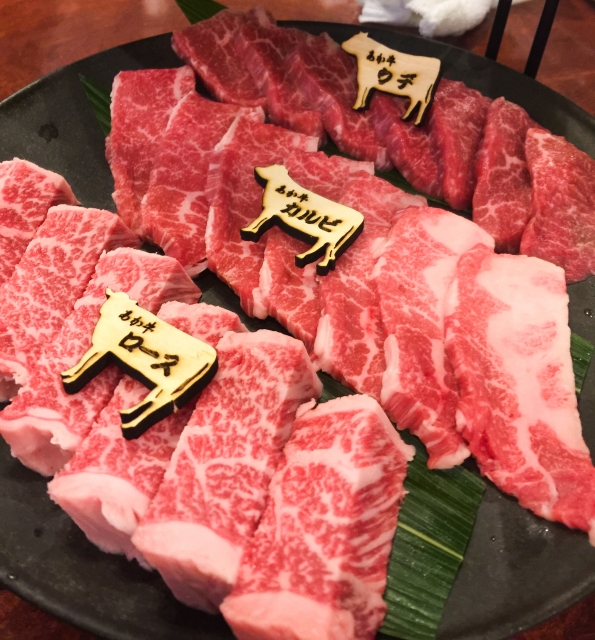
- Akaushi Beef: Kumamoto’s famous “Akaushi” (Red Beef) is lean, juicy, and packed with flavor. The “DIY BBQ style” hamburgers, where you grill them yourself on a hot plate, are a hit with tourists seeking a unique Japanese experience.
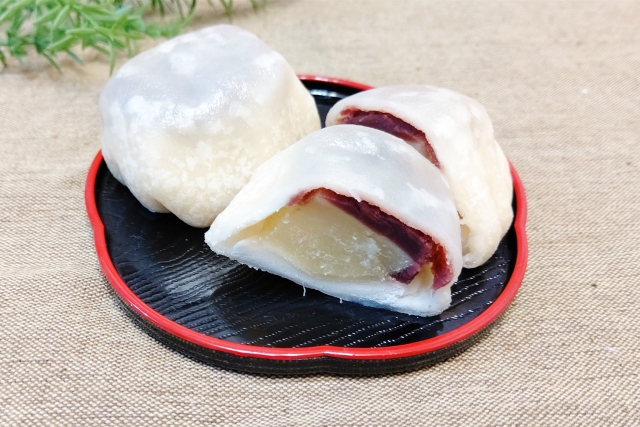
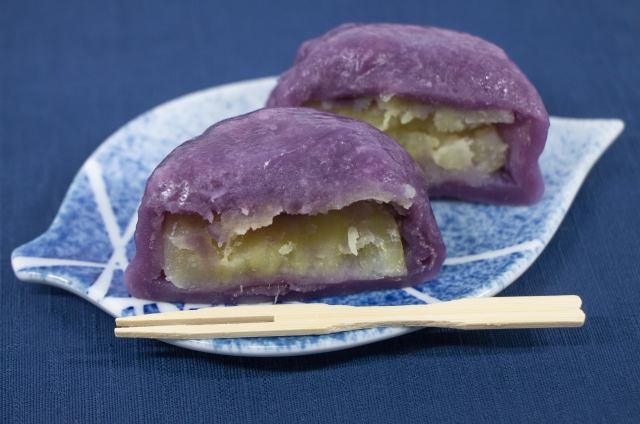
- Ikinari Dango: A traditional local sweet made of sweet potato and red bean paste wrapped in a chewy dough. It’s a simple, comforting treat.
Conclusion
Kumamoto has its “real” side—from the ongoing castle restoration to the specific local bus rules. However, it is a city full of surprises where you can feel the history of the Samurai, be overwhelmed by epic nature, and indulge in world-class local cuisine. Definitely consider adding Kumamoto to your next Japan trip!


コメント