Kyoto is Japan’s most iconic destination, and the city has recently reached a major turning point. With the grand reopening of legendary landmarks and significant updates to local regulations, “how to travel Kyoto” has changed.
This guide moves beyond just visiting famous temples. We’ve compiled the “New Standard” for Kyoto, blending essential travel updates with the unique perspective of a local Japanese resident. Think of this as your essential digital handbook for the modern Kyoto experience.
1. The Eternal City: Where Tradition Meets Innovation
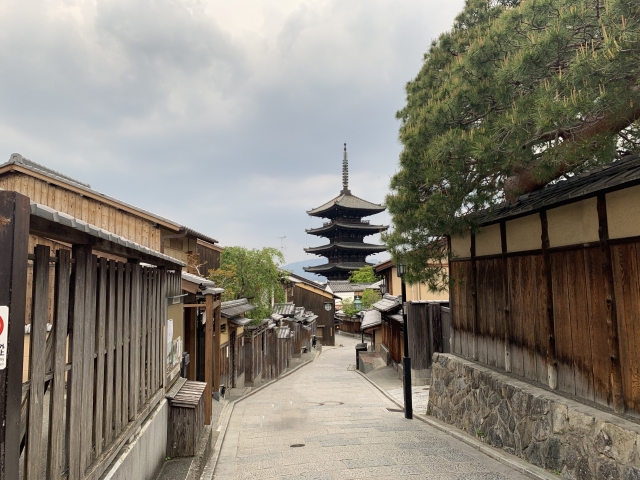
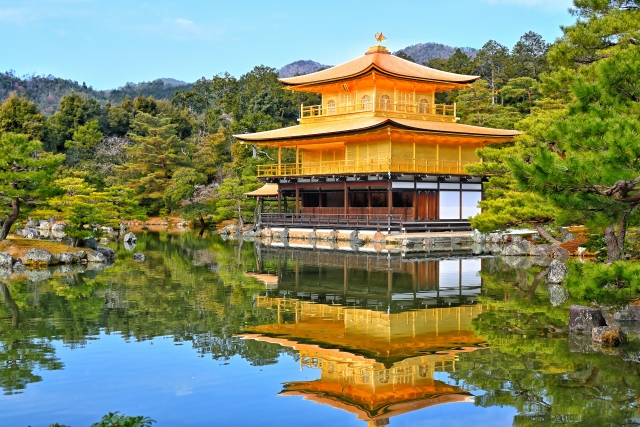
With over 1,000 years of history, Kyoto is evolving from a place where you simply “see history” to a place where you “experience” it. In areas like Umekoji, Kawaramachi, and Karasuma Oike, you’ll find a surge of art hotels housed in renovated heritage buildings and cutting-edge cultural hubs. The true magic of modern Kyoto is that no matter how many times you visit, there is always something brand new to discover.
2. The Grand Reopening: “UZUMASA KYOTO VILLAGE”
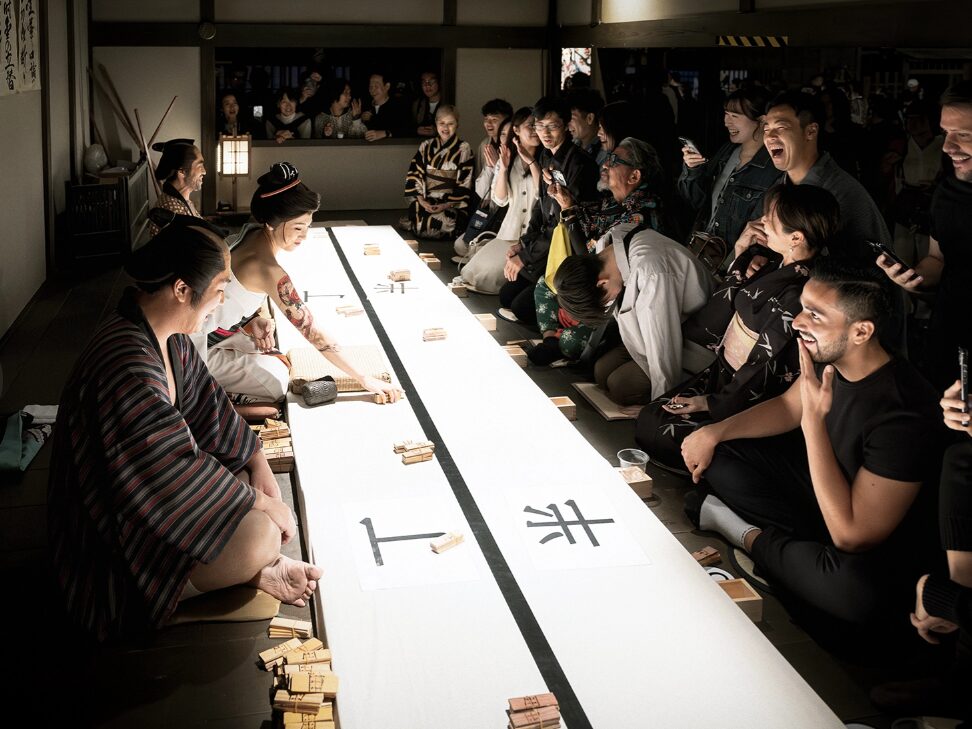
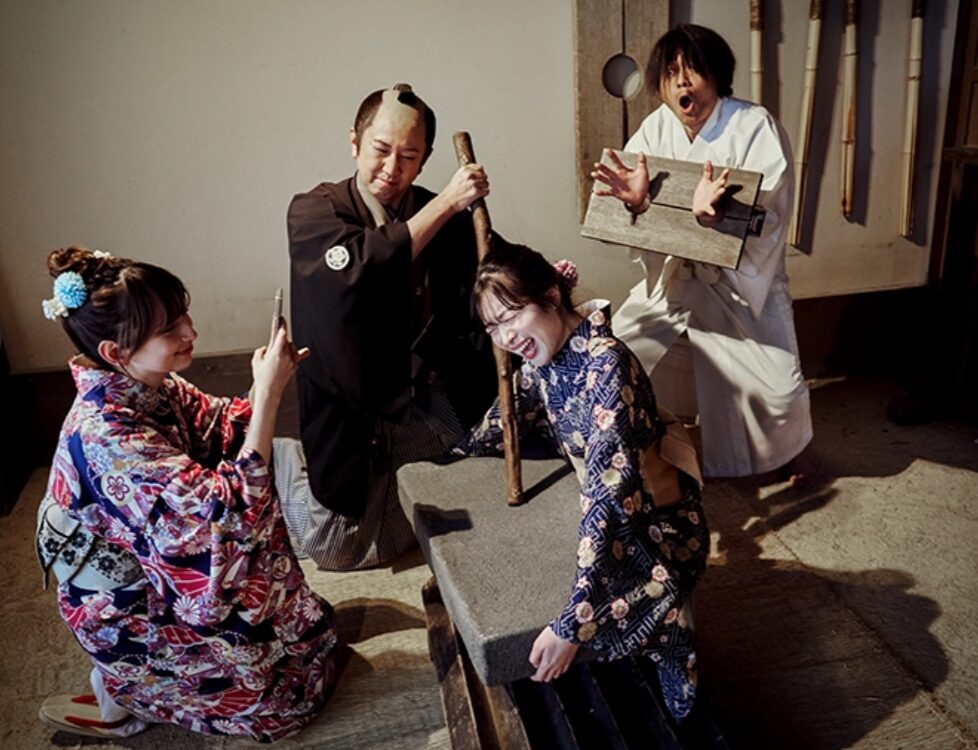
A cornerstone of Kyoto tourism, the famous movie studio park underwent a massive transformation and reopened under its new name: “UZUMASA KYOTO VILLAGE.”
- A Mature Immersive Experience: Shifting away from a simple “viewing” park, it has evolved into an immersive facility where you feel as though you’ve truly wandered into the Edo period.
- Nighttime Magic: The park now offers extended hours. The illuminated streets of old Edo offer a sophisticated atmosphere where you can enjoy Kyoto’s fine dining and culture under the stars.
- 👉 [“UZUMASA KYOTO VILLAGE” ]
3. Important: Kyoto Accommodation Tax Update
To travel Kyoto smartly, you must be aware of budget requirements. The Kyoto City Accommodation Tax has been updated to manage overtourism and preserve cultural heritage.
| Room Rate (Per person/night) | Tax Rate | Comparison |
| Under 20,000 JPY | 400 JPY | Double the previous rate |
| 20,000 – 49,999 JPY | 1,000 JPY | Double the previous rate |
| 50,000 – 99,999 JPY | 4,000 JPY | 4x the previous rate |
| 100,000 JPY and over | 10,000 JPY | 10x the previous rate |
If you are planning a luxury stay, please keep these rates in mind to avoid surprises during checkout.
4. Overtourism & The “Hands-Free” Travel Rule
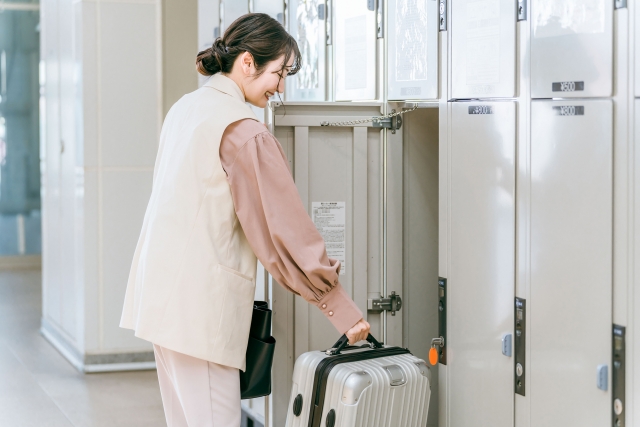
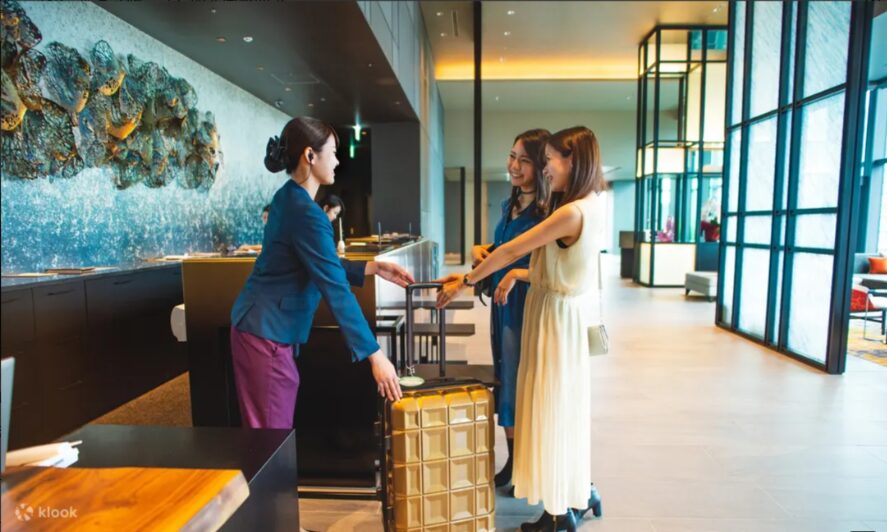
Kyoto is more popular than ever. To ensure a harmonious environment for both locals and visitors, certain rules are strictly enforced.
- No Large Bags on City Buses: To reduce congestion, passengers are discouraged from bringing large suitcases onto city buses. The modern way to travel is “Hands-Free Tourism”—utilizing station lockers or luggage delivery services to send your bags directly to your hotel.
- Photography Ban on Gion Private Roads: To protect the privacy and tranquility of the local community, photography is prohibited on certain private streets in the Gion district. Please follow the signs carefully and enjoy your stroll respectfully.
5. Authentic Flavors: Must-Eat Kyoto Cuisine
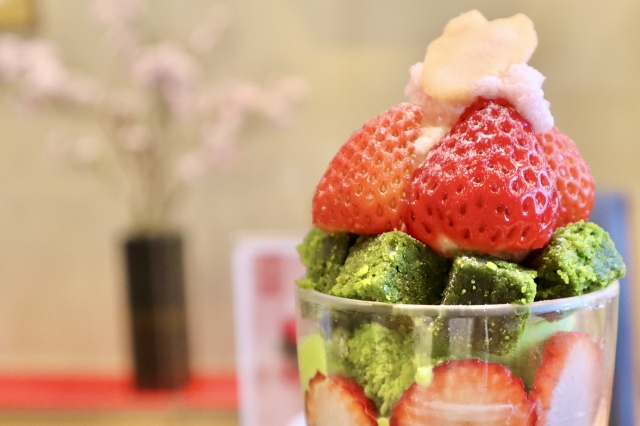
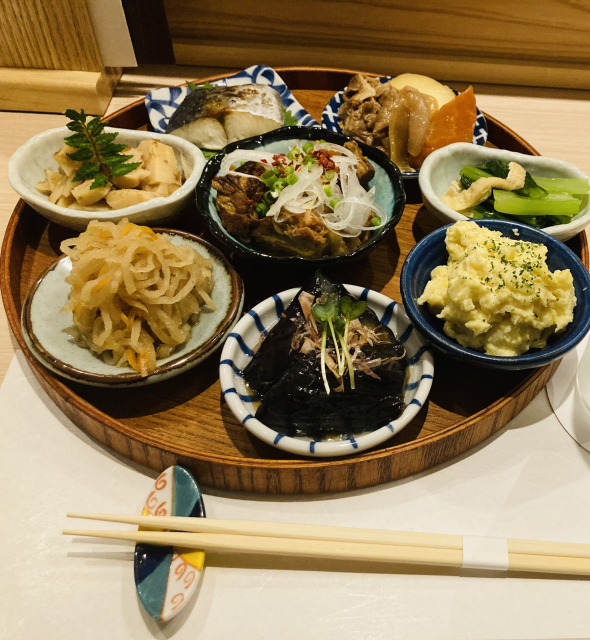
Kyoto is a culinary capital. While it’s famous for bread and coffee, these three traditional experiences are essential for any visitor:
- Dashi Culture (Udon & Soba): The soul of Kyoto cuisine is Dashi (broth). A simple bowl of Kitsune Udon (with fried tofu) or the local specialty Nishin Soba (with herring) will soothe your soul with its delicate, clear broth.
- Next-Gen Matcha Sweets: Uji Matcha is a must. Beyond traditional tea, try the “evolved” Matcha desserts like fresh-pressed Matcha Mont Blanc or ultra-rich Matcha Terrines.
- Obanzai Lunch: Obanzai refers to traditional Kyoto home-style cooking. Enjoying a variety of small, healthy, and colorful seasonal dishes is a favorite experience for international foodies.
6. Breathtaking Views: Hidden Gems Selected by Locals
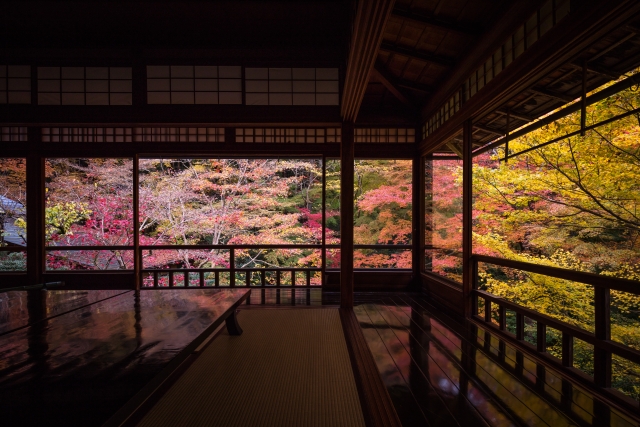
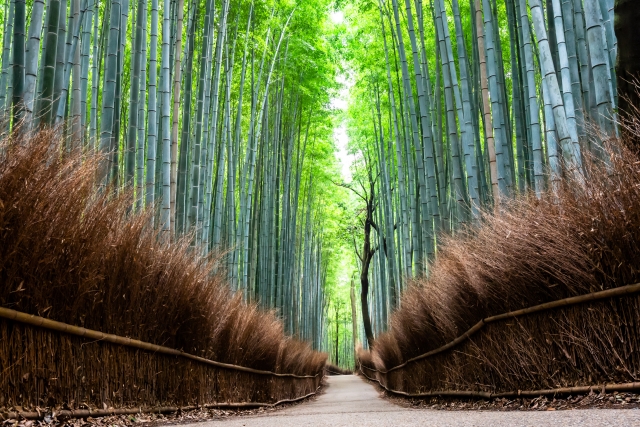
Beyond Kiyomizu-dera and Kinkaku-ji, these spots offer a profound sense of beauty that resonates deeply with locals:
- The Greenery of Rurikoin: Located in the Yase area, the reflection of the vibrant spring greenery (or autumn maples) on the polished lacquer tables is a sight that defies words.
- Early Morning at Arashiyama Bamboo Grove: This world-famous spot is extremely crowded during the day. However, visiting in the early morning offers silence and soft light filtering through the stalks for a truly spiritual experience.
- Suirokaku (Nanzen-ji Aqueduct): A stunning brick archway located within the Zen temple grounds. This Meiji-era aqueduct creates a beautiful contrast with the traditional temple architecture and is a premier spot for photography.
Closing
Modern Kyoto is a city that embraces change while honoring its roots. By following the local rules, exploring the revitalized Uzumasa Village, and seeking out the quiet moments in ancient temples, you will create memories that are truly your own.
We wish you the most wonderful journey to Kyoto!

コメント